
Westerwood Hotel, Cumbernauld · 19–21 March 2027
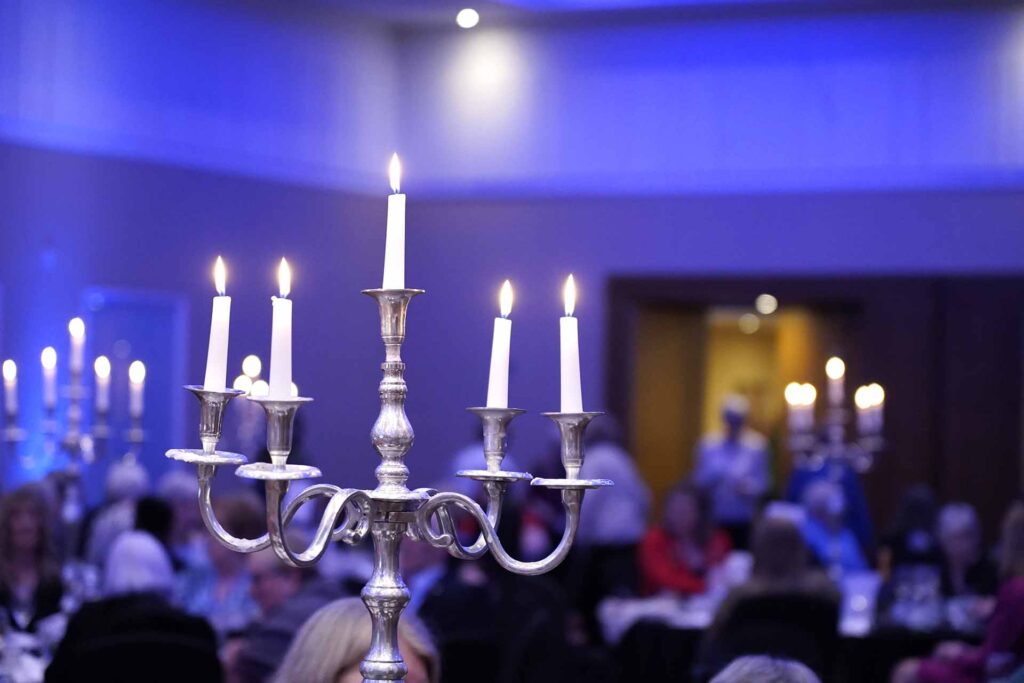
Join us at Westerwood from 19 to 21 March 2027 for three days of writing, inspiration and community.
Explore pitching articles, writing for children, historical crime, dialogue, memory, Gothic fiction, self-publishing and non-fiction. Learn practical techniques and bring fresh ideas back to your work.

Speaker
Abir Mukherjee is the bestselling author of historical and modern day crime thrillers. His books have been translated into sixteen languages, sold over half a million copies in the UK and won numerous awards including the Theakstons Crime Novel of the Year, and the British Book Awards Crime & Thriller Novel of the Year. His latest novel, The Pinnacle, set in modern day Mumbai, is out now.
Photo credit: Stuart Simpson
Abir will be delighting the delegates on Saturday.
Speaker
Due to a change in speaker this section will be updated soon as we replace Simon Hall who unfortunately has had to cancel.
Meet the writers behind the 2027 programme. Open a biography, explore their workshop or see which competition they adjudicate.
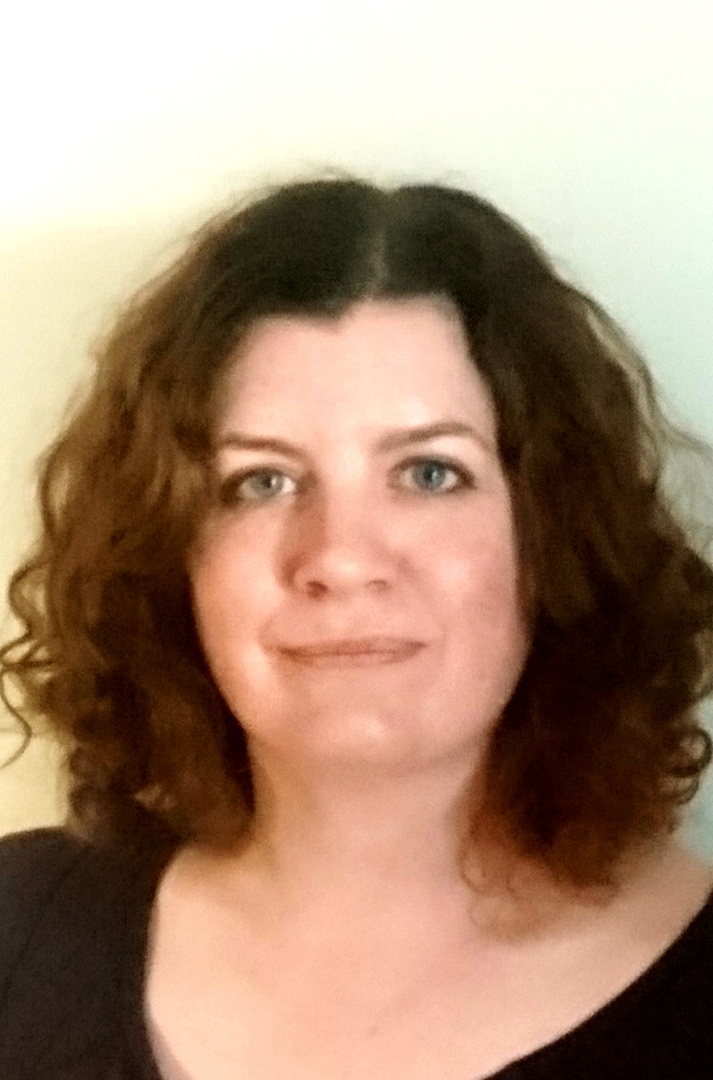
Judith Duffy is a writer and journalist who lives in Glasgow and has worked in journalism and comms in Scotland for more than 20 years. She has an MA in English and Scottish Literature from Edinburgh University, and a postgraduate diploma in newspaper journalism from Napier University, Edinburgh.
Writing under the name Judith Vallely, she is the author of two non-fiction books – ‘Struggle and Suffrage in Glasgow: Women’s Lives and the Fight for Equality’ and ‘The Woman Who Revolutionised Nurses’ Training: The Life and Career of Rebecca Strong’
The editor’s inbox: How, when and where to pitch
This workshop will give hints and tip on perfecting your pitch for non-fiction news and feature articles and finding the best time to approach an editor.
In an ever shrinking freelance market, it’s also becoming more difficult to identify where to pitch to – we will also explore how to find editors who have a budget and are actively looking for contributions and look at alternative platforms which journalists are using to find new audiences.
The workshop will be suitable for writers who are new to pitching as well as those who are more experienced, with the goal of providing improving knowledge and giving confidence to successfully pitch your article for publication.
ALASTAIR WALKER ‘OSCAR’ TROPHY – General Article – 1,000 to 1,200 words

Shalla Gray wanted to be an author and illustrator of children's books from a very early age. It took her a very roundabout path to reach that goal; after Honours and Masters Degrees in Environmental Science she found herself running a village Post Office and Store in Dumfries & Galloway, with 4 children and a menagerie of animals. The beautiful countryside of Dumfries & Galloway inspired her to return to her original career path, and her first book, Charlotte's Woolly Yarn, was published in 2010. She became so disillusioned with the long lead times and operational silence of submitting to traditional publishers, that in 2013 she started her own publishing company, Curly Tale Books.
I was inspired to become a writer by my father, Alan Grant, a comics legend, who taught me to read at the age of four.
My favourite book as a child was The Elephant and the Bad Baby by Raymond Briggs.
My favourite book now is Feersum Endjin by Iain M Banks, closely followed by The Edge by Dick Francis.
I currently have two rescue dogs called Wilf and Nellie.
My family are not allowed to buy each other birthday cards – they have to make them – they hate me for this.
I have a six foot avocado tree, grown from a seed, in my office.
I never have an author photo in my books, I paint a picture, generally with whatever animals happen to be sharing my life at the time.
Writing for Children (and Getting Published)
There are so many children's books out there – how can yours stand out from the crowd and see the light of day? This workshop will be from my perspective of being a children's author who got so fed up of the long lead times and silence when submitting to traditional publishers, that I started my own publishing company! I therefore get submissions all the time, and I about half my list is made up of external submissions. So how do you get a publisher, big or small to even look at your work? In this workshop I'll talk about the problems facing authors in the competitive children's book market, how to overcome them, and if all else fails, how to go it alone.
UNDER 7s TROPHY – Story Aimed At Children Under 7 Years Of Age – 750 Words
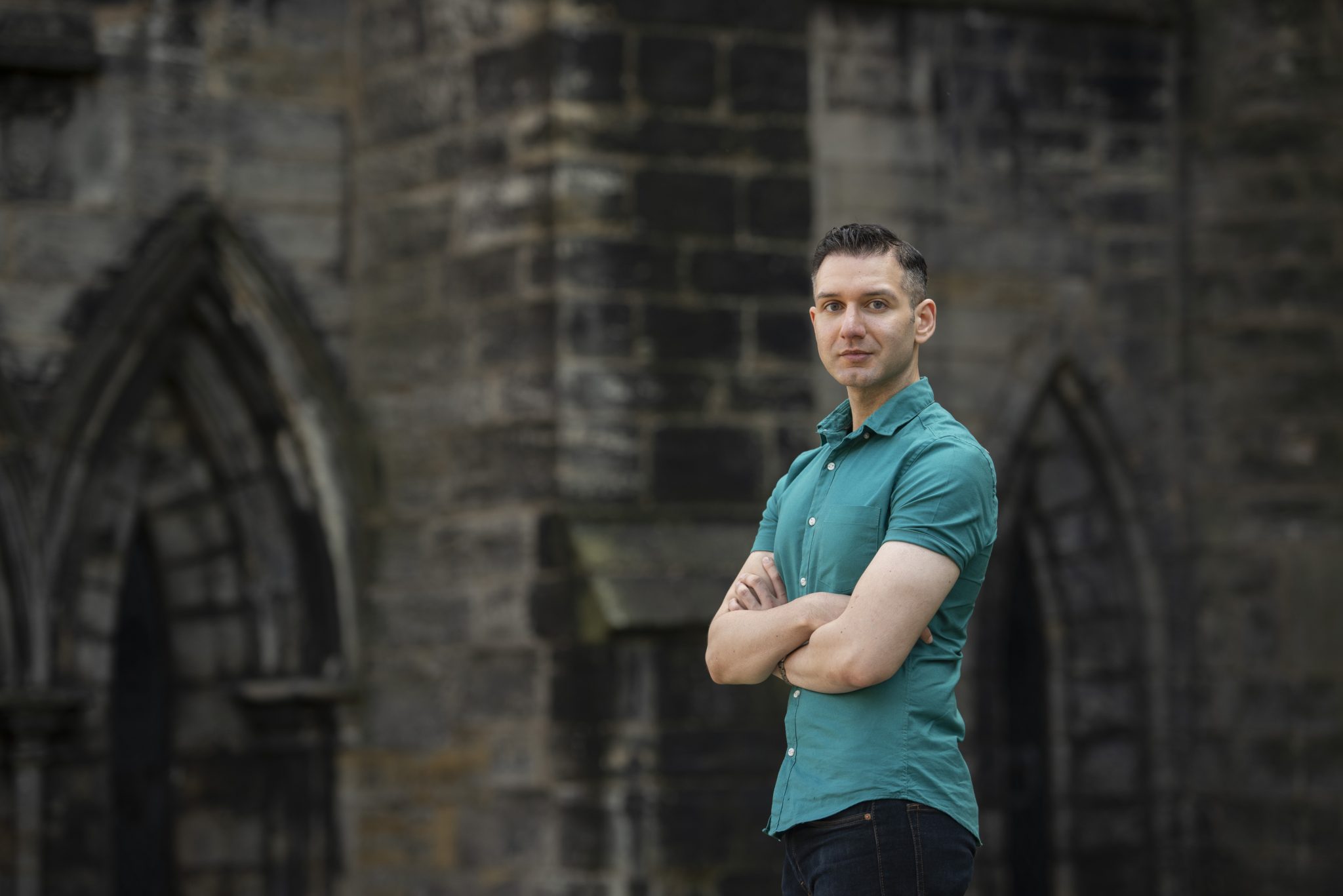
Steven Veerapen was born in Glasgow to a Scottish mother and a Mauritian father and raised in Paisley. Pursuing an interest in the sixteenth century, he was awarded a first-class Honours degree in English, focussing his dissertation on representations of Henry VIII’s six wives. In addition to writing historical biographies, he has written several trilogies of historical crime and thriller fiction (including the Anthony Blanke series). He is the author of The Wisest Fool: The Lavish Life of James VI and I and, more recently, Overlord: The Life and Reign of Henry VIII. He lives in Paisley and teaches English and Creative Writing at the University of Strathclyde.
I became obsessed with mysteries as a child reading Usborne Puzzle Adventures and to this day I still have a secret stash of them. Although I write historical biographies, my background was in early modern English literature – so I try and sneak in as many quotes from Marlowe, Kydd, and Greene as I can when writing straight biographies of figures like Henry VIII and Elizabeth I. Thanks to eBay, I have a totally unnecessary collection of Tudor ornaments and figurines: nothing classy, like Royal Doulton, but rather a teapot shaped like Henry VIII holding up a goblet and little grotesque childlike figures of Elizabeth I.
Writing Historical Crime
This workshop will provide participants with guidance on how to pick a time period, construct a 'detective', and decide on a subgenre of historical crime. It will guide them through the process of writing both mystery and procedural novels set in the past which bring the sights, sounds, and smells of history to life. The focus will be on developing realistic (and hopefully sellable) crime fiction whilst avoiding many of the pitfalls authors into which authors can easily fall. Key ideas discussed will include characterisation (is your character period-accurate? Do they have a reason to investigate?); the villain (are they active and reactive?); and story structure (do the stakes rise as the story goes on? Does you protagonist find themselves becoming more and more invested?); and victims (does the reader care when people die – and do they care more as the story goes on?). In this workshop, participants will be invited to volunteer their own ideas and worries about writing in this genre (and subgenre).
PITLOCHRY QUAICH – Historical Fiction – 10,000 to 15,000 words with a two page synopsis
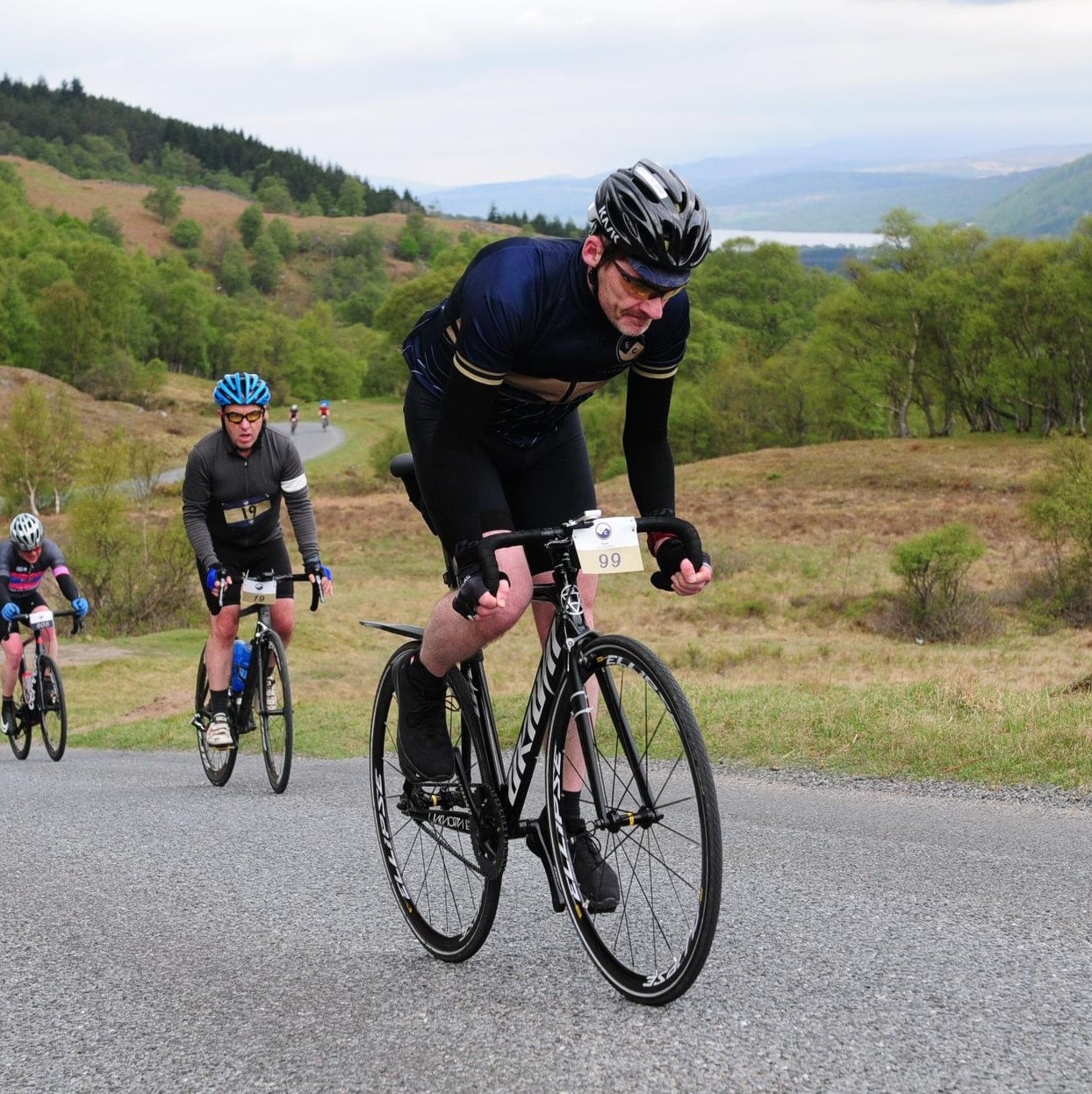
Kevin MacNeil is an award-winning novelist, poet, playwright, screenwriter, and essayist from the Isle of Lewis in the Outer Hebrides. His books include the bestselling novel The Stornoway Way, A Method Actor’s Guide to Jekyll and Hyde, The Brilliant & Forever, and the poetry collection Love and Zen in the Outer Hebrides.
His work has won the Tivoli Europa Giovani International Poetry Prize, been shortlisted for the Saltire Society Fiction Book of the Year Award, and has been translated and published internationally. He has written for television, film, radio and theatre, and has collaborated widely with musicians and visual artists.
MacNeil has taught creative writing at university level internationally and for organisations including Moniack Mhòr and the Arvon Foundation, and has held a number of literary fellowships and residencies in Scotland and abroad. He has appeared at festivals and events in numerous countries, and has served as a judge for major literary awards including the Highland Book Prize, the Wigtown Poetry Prize, and the Scottish Book Trust New Writers Awards.
His work is particularly associated with the Outer Hebrides, contemporary Scottish culture, place, language, and the imagination.
Kevin has given readings and performances in some unusual places, including a sea cave and an amphitheatre before an audience of around 10,000 people. Away from writing, he is a keen endurance runner and cyclist, and has completed marathons, ultramarathons, and numerous long-distance cycling events. He is particularly fond of fixed-gear bikes.
His work has often involved collaboration with musicians and visual artists, and his longstanding fascination with islands, landscape, language, and place has taken him to literary events and residencies in many different countries.
Kevin is a longstanding Buddhist practitioner and has trained in a Zen temple.
More Than Talk: The Art and Craft of Dialogue
Good dialogue does much more than reproduce the way people speak. It can reveal character, alter relationships, create conflict, control pace, convey information, generate humour or tension, and move a story forward – even while appearing to do something else entirely.
In this practical workshop, Dr Kevin MacNeil will explore the art and craft of writing effective dialogue, looking at the different purposes dialogue can serve and at some of the techniques that make it especially rewarding to read or hear. We will consider character and voice, interruption and silence, conflict and power, and the importance of what remains unsaid.
Particular attention will be given to subtext: the gap between what characters say, what they mean, what they want, and what they may be trying to conceal. Through examples, discussion, and short writing exercises, participants will explore ways of making dialogue feel natural without simply imitating everyday speech, and of allowing conversations to carry emotional and dramatic weight beneath their surface meaning.
The workshop will be useful to writers of screenplays, fiction, and other dramatic forms, whether they are developing new work or looking for ways to strengthen dialogue in an existing draft.
HELENSBURGH SHIELD – TV Pilot – 30 Pages (one page equals one minute)
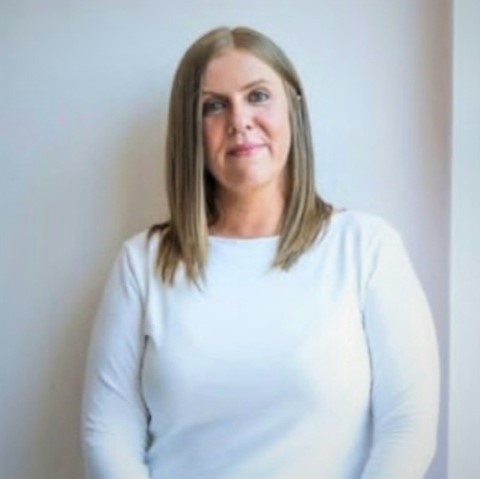
I am represented by Juliet Pickering, Blake Friedmann Literary Agency. I was the overall winner of the Scottish Book Trust Next Chapter Award and winner of The Book Edit Writer’s Prize. I have been shortlisted for The Bath Short Story Award 2019, The Cambridge Short Story Prize 2021, The Grindstone Literary Award 2021, The Smokelong Quarterly Award for Flash Fiction 2022, The Fish Short Story Prize 2023, The Mslexia Short Story Competition 2023, The Quiet Man Dave Prize 2024, The Oxford Flash Fiction Prize 2025, The Frazzled Lit Short Story Award 2025, The Edinburgh Short Story Award 2026 and many other notable awards.
I was commissioned to write a poem for ‘Poetry Feasts of Mythical Beasts’ and perform it at The Edinburgh International Poetry Festival 2022, alongside the poet Hollie McNish. My work appears in many literary journals, including New Writing Scotland (2018, 2023, and 2025), Gutter Magazine (2020 and 2023), The Cormorant Literary Journal, The Grindstone Literary Anthology, The Jellyfish Review, Barren Magazine, The Common Breath Short Prose Anthology, and in several other places.
I have written four plays, which have been performed in theatres in Edinburgh and Glasgow. I was a finalist for the inaugural Primadonna Prize, and my fiction has been nominated for The Pushcart Prize.
I have two favourite books – 'Flowers in the Attic' by Virginia Andrews and 'On The Road' by Jack Kerouac. Both affected me greatly. My best friend in primary school snuck her mum's copy of 'Flowers in the Attic' into school and it got passed around a bunch of 11 year old girls like crack cocaine. I read 'On The Road' when I was 15 and immediately wanted to leave my life behind and hitch-hike across America, even going so far as stealing £20 from my mum's purse and running away – although my dream was scuppered when my dad collected me from Buchanan Street bus station and dragged me back home. Kerouac is my favourite author. He's problematic as hell, but reading his words still feels like kicking open the door to a furnace in a drab, grey room.
The first album I ever bought was 'Like A Virgin' by Madonna. I was 8 years old and I remember excitedly queuing up in Fine Fare to buy it with my birthday money. Over 40 years later, I still adore her. A wonderful 'full-circle' moment for me was, for record store day in April of this year, myself and my 16 year old daughter, Lilly, queued up (for almost 5 hours!!) to buy the live recording of The Confessions Tour. It seems that I will forever be excitedly queuing up for Madonna.
I have no pets. My first pet – an aqualine blue budgie I called Smokey – died when I was 10 years old. I remember my dad taking him to the vet and returning home with an empty shoebox. I never got to say goodbye. I was devastated and swore that I would never replace him, and I never have and never will. I chose him because, in the pet shop when I placed my hand in the cage, all the birds scarpered away from me, except him. He cockily approached, before roughly pecking at the fleshy part of my hand. The irony was, once we got him home, I was the only one he didn't bite. I'd come home from school, flop onto the couch and he'd sit on my shoulder, then walk across my head to my other shoulder. Death for me will always be an empty shoebox.
The best moment in my writing career was winning The Scottish Book Trust Next Chapter Award. My confidence as a writer was in the toilet. I was 40 years old and scared of rejection, scared of anybody criticising my work, scared of not being good enough, so I kept it all hidden – unread stories shoved in drawers – until one day the fear of nobody reading anything I'd written felt scarier than someone reading it. I took the plunge and entered the competition – specifically for over 40s – and couldn't believe it when I found out I had won. When I discovered that Janice Galloway wanted to mentor me, I almost collapsed in my kitchen. That one spark of validation pushed me on and I genuinely believe that I wouldn't be where I am today if I hadn't won that competition. It started it all.
Memory as a Literary Self -Portrait
John Byrne once stated, ‘You’re here on Earth to ask why you’re here on Earth, not to avoid the question.’
I would use this comment as the theme for an all-senses-engaged interactive workshop to explore and transform memories – chaotic, funny and profound personal experiences – into works of creative writing that resonate and carry an emotional weight and honesty.
I would help participants to learn new writing skills, build confidence and creativity and – most importantly – enjoy the overall experience; to feel that they have taken part in an exercise that has been worthwhile, and to help them get closer to answering the question that Byrne put to us. Byrne was exciting, radical and mischievous, an artist who broke rules and forged a path from poverty and traumatic family experiences. His plays, art and writing bristle with a sly humour, vibrant energy and truth, and I would harness these same values within the setting of the workshop.
Overall, I would like every participant – whether they are a complete novice or a more seasoned writer – to feel that they have a voice, and something worth saying.
JOHN SEVERN INKWELL TROPHY – General Short Story – Up to 2500 Words

Dr. Conner McAleese is a Scottish writer published across the UK, Canada, and the US. His fiction explores familial decay, identity, theology, and motherhood. His debut novel, The Goose Mistress (2018), explores Eva Braun’s descent into madness during WW2. He holds a PhD in post-9/11 American horror literature and sits on the editorial team for The Dundee Review. He runs workshops across Scotland to help both new and experienced writers engage with genre fiction (speculative, horror, sci fi, and thriller) and literary fiction. He can be contacted at drconnermcaleese@gmail.com for bookings.
My favourite book is, and will always be, 'Rachel's Holiday' by Marian Keyes. Keyes writes about addiction in a manner unlike any other author I've ever read. Her injection of humour into such a large and emotional topic is second to none and helps keep the story relatable.
I have a dog called Circe and she's the absolute cutest pup on the planet. She enforces a strict bedtime of 2100 hours each night and my family say I spoil her, but what's the harm in spoiling a 4kg ball of fluff!
I began writing due to a poor university grade. I was told by my lecturer that, despite receiving an A grade on my presentation on the topic, I couldn't receive above a C for the written portion due to 'poor writing'. I was distraught. I turned to fiction because I 'wanted to write without rules' and then quickly learned just how many rules writing fiction has! I'm proud to say I got that same lecturer in the final year of my undergraduate degree and she remembered me. So much so she commented on how much my writing had improved. I believe that's down to writing fiction between assignments.
I have recently completed my first short story collection, ‘An American Palette’, and my first novel since 2019, ‘Propitiation of an Unmade Man’. Each of these works are infused with my new writing ethos of incorporating academic research into creative practice, as opposed to scholarly outputs. ‘An American Palette’ is a collection of thirteen speculative stories that deal with a near future dystopian America. The collection engages with American identity in the 21st century through domesticity, theology, climate change, and of course, colour. ‘Propitiation of an Unmade Man’ is a Scottish Gothic novel set in and around the University of Dundee. Evander Wulver, the protagonist, becomes embroiled in the private torment of a mother who believes her son is possessed by the devil. ‘Propitiation of an Unmade Man’ investigates the intersection of motherhood, academia, and religion in modern Scotland.
Getting to Grips with the Gothic: Moving Beyond the Haunted House
Getting to Grips with the Gothic: Moving Beyond the Haunted House will help writers move beyond the clichés often associated with the Gothic genre by exploring the mode beyond its familiar tropes of haunted houses, ghosts, and crumbling castles built above labyrinthine spaces.
Designed for both new and experienced writers, this workshop offers an introduction to how the Gothic unsettles the familiar, corrupts the seemingly 'normal', and creates compelling atmosphere, character, and psychological depth across genres.
Through an exploration of concepts such as the Uncanny and the 'Other', writers will discover how Gothic techniques can enhance their own creative practice, whether they write literary fiction, crime, fantasy, historical fiction, or any other genre.
MARGARET MCCONNELL TROPHY – Gothic/Horror – 1000 – 2000 Words

A medical pathologist by training, Allan Gaw is now a full-time writer. His short stories, historical crime fiction, non-fiction and poetry have been published widely. His short stories have also won several international prizes including the prestigious Alpine Fellowship. He is the author of the Dr Jack Cuthbert mystery novels. The first of these, The Silent House of Sleep, won the Dragon’s Pen at SAW in 2023. It was subsequently self-published and won the 2024 Bloody Scotland Debut Novel of the Year. There are now five books in the series published by Polygon. The second book in the series, The Moon’s More Feeble Fire, was long listed for the McIlvanney Prize and the series is currently being published in the US and in France. His poetry collections, Love & Other Diseases and The Sounds Men Make were published by Seahorse in 2023 and 2025 respectively.
Do It Yourself? The Highs and Lows of Self-publishing
The traditional models of book publishing are changing. New technology and changing readerships have made it possible for authors to become their own publishers. But why take this route?
In this workshop I will look at why we might choose to self-publish, what it involves and what options are available to us. I will also share my personal experience of self-publishing the first of the Dr Jack Cuthbert Mystery novels. Throughout I will highlight the advantages to an author of self-publishing, but I will also reflect on the disadvantages.
The session will be interactive and there will be plenty of time throughout for questions and discussion.
BARBARA HAMMOND TROPHY – Self-Published Book

Roger Hutchinson is an award-winning author and journalist whose writing has explored the history, people and communities of Scotland and beyond. Based on the island of Raasay, off the east coast of Skye, he has written extensively on Scottish history, biography, island life, sport and social history.
After working as an editor in London, Hutchinson moved to Skye in 1977 and joined the West Highland Free Press, with which he has maintained a long association as a journalist and columnist. His journalism has also appeared in publications including The Scotsman, The Guardian, The Herald and The Literary Review, and he has written for BBC Radio.
No Workshop
JANETTA BOWIE CHALICE – Non Fiction – 10,000 to 15,000 words with a two page synopsis
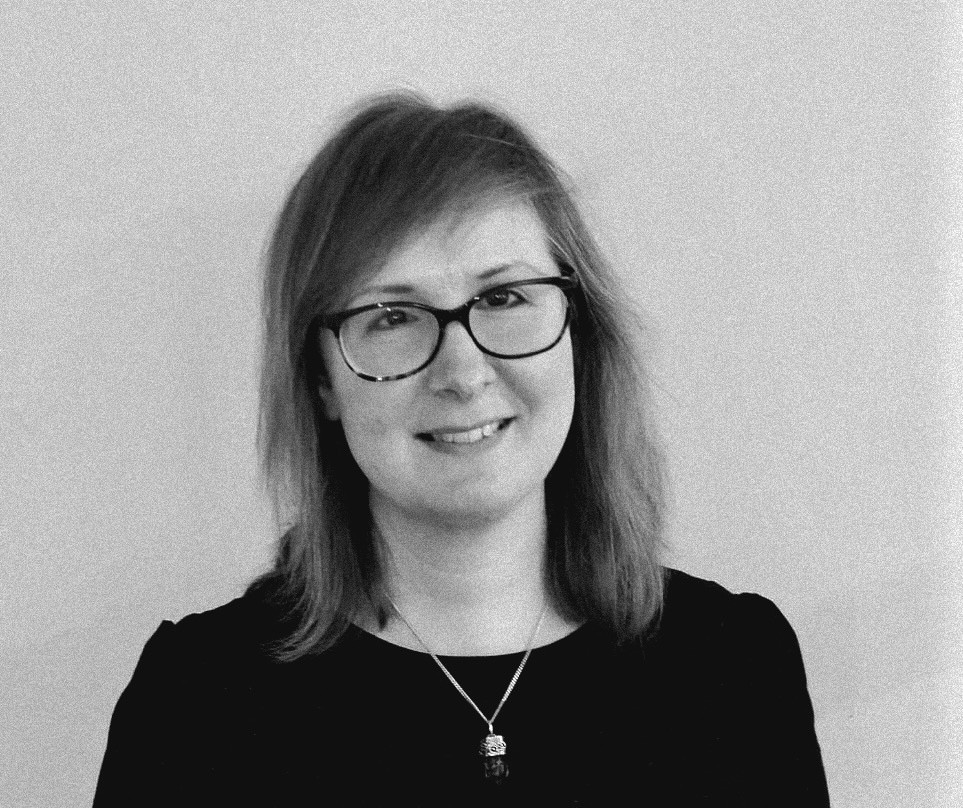
Victoria Gemmell (Andres) has published three stand-alone mystery thrillers for Young Adults; Follow Me, Promise Me and Young Blood. Victoria also writes contemporary short stories and flash fiction, being placed in numerous competitions and published in a variety of journals. Victoria has worked with teenagers for twenty years in her day job as a careers adviser, and loves to put on her ‘author hat’ when delivering creative workshops to all ages. She was part of the Paisley Book Festival Schools programme in 2023, delivering workshops across schools in Renfrewshire.
Writing for Young Adults
Novel Aimed at Teens – SAW Silver Thistle Trophy
First 7,000 words + synopsis

Andy Jackson is the author of five previous poetry collections, including A Beginner’s Guide to Cheating (Red Squirrel Press, 2015), The Saints Are Coming (Blue Diode, 2020) and Selling the Light (Whaleback City Press, 2025), a collaboration with Italian photographer Catia Montagna. His latest book is Disco Biscuits (Blue Diode Press, 2026).
He has edited several poetry anthologies, including Split Screen/Double Bill (both Red Squirrel Press, 2012/2014) and Scotia Extremis with Brian Johnstone (Luath, 2019). He co-hosts the New Boots and Pantisocracies blog with poet W. N. Herbert, as well as several other web-based poetry activities, including Project Abeona and Otwituaries. He was Makar to the Federation of Writers Scotland in 2017 and also coordinates the Lonely Funeral project (with Michael Hannah) in Dundee.
Little and Often : Developing a Writing Habit
Dorothy Dunbar Rose Bowl
Up to 40 lines
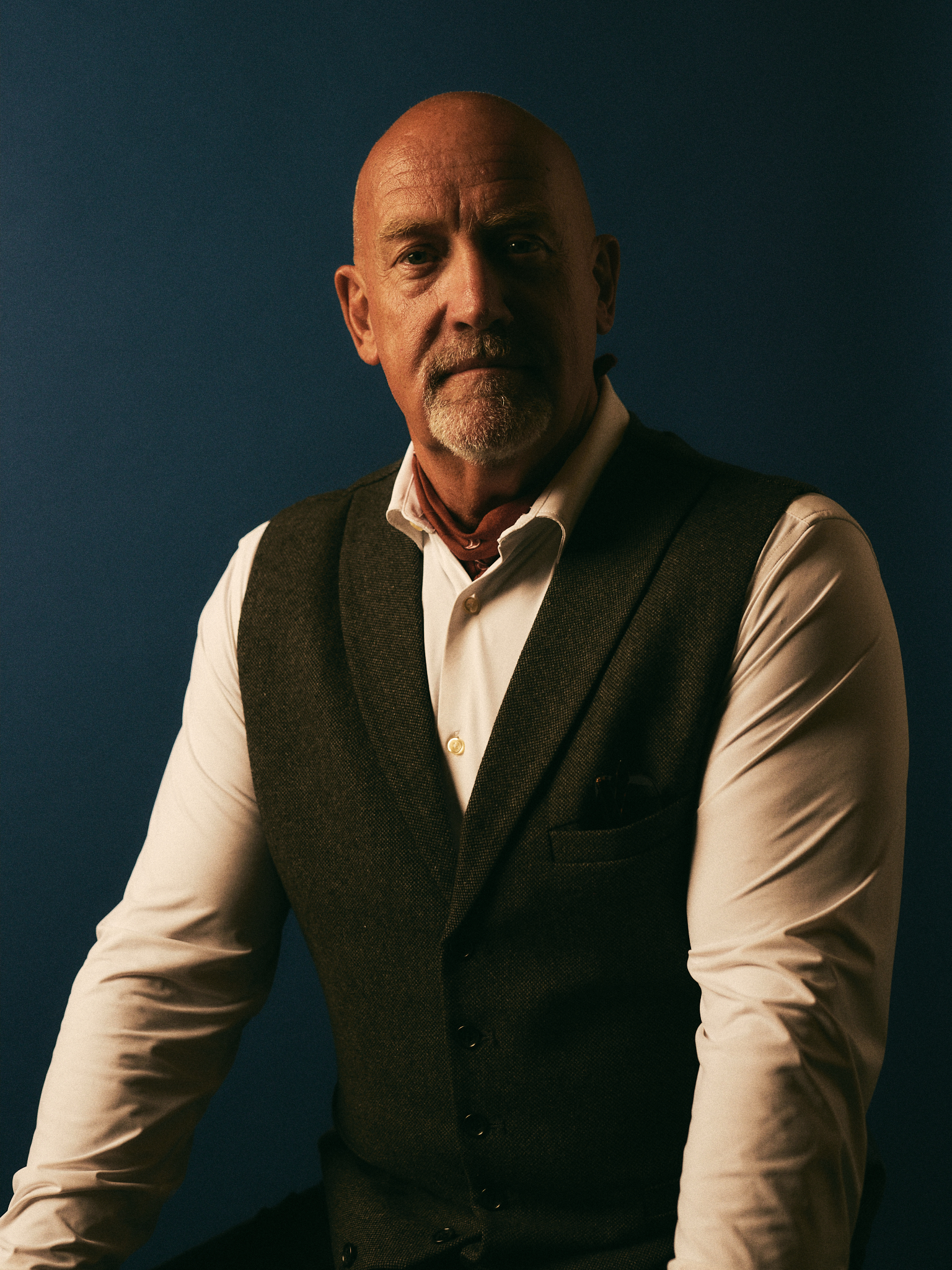
Michael J Malone lives in Ayr with his pup, Marcus. He enjoys reading, walking, working out, drinking coffee, and eating cake. He attended his very first S.A.W conference in 1997 (Blairgowrie).
Michael has experience as a bookseller, an editor, a judge of creative writing competitions, a sales manager for one of Britain’s most loved publishers, and has given talks and lectures to writing groups, schools and colleges throughout the country. He has had over 200 poems published, articles in some of countries leading newspapers, he has also published 1 book of non-fiction and sixteen novels. He is a past winner also won the Pitlochry Prize and the Poetry Prize from the Scottish Association of Writers. Michael is a past Vice-President of the organisation. He attended his very first S.A.W conference in 1997 (Blairgowrie).
Michael will take you through some of the most common mistakes that publishers say leads them to reject submission.
General Novel – Constable Silver Stag
10,000–15,000 words + synopsis
Choose a workshop and open its full description. Each session is led by a writer from the 2027 programme, with related adjudication categories shown for reference.
This workshop will give hints and tip on perfecting your pitch for non-fiction news and feature articles and finding the best time to approach an editor.
In an ever shrinking freelance market, it's also becoming more difficult to identify where to pitch to – we will also explore how to find editors who have a budget and are actively looking for contributions and look at alternative platforms which journalists are using to find new audiences.
The workshop will be suitable for writers who are new to pitching as well as those who are more experienced, with the goal of providing improving knowledge and giving confidence to successfully pitch your article for publication.
There are so many children's books out there – how can yours stand out from the crowd and see the light of day? This workshop will be from my perspective of being a children's author who got so fed up of the long lead times and silence when submitting to traditional publishers, that I started my own publishing company! I therefore get submissions all the time, and I about half my list is made up of external submissions. So how do you get a publisher, big or small to even look at your work? In this workshop I'll talk about the problems facing authors in the competitive children's book market, how to overcome them, and if all else fails, how to go it alone.
This workshop will provide participants with guidance on how to pick a time period, construct a 'detective', and decide on a subgenre of historical crime. It will guide them through the process of writing both mystery and procedural novels set in the past which bring the sights, sounds, and smells of history to life. The focus will be on developing realistic (and hopefully sellable) crime fiction whilst avoiding many of the pitfalls authors into which authors can easily fall. Key ideas discussed will include characterisation (is your character period-accurate? Do they have a reason to investigate?); the villain (are they active and reactive?); and story structure (do the stakes rise as the story goes on? Does you protagonist find themselves becoming more and more invested?); and victims (does the reader care when people die – and do they care more as the story goes on?). In this workshop, participants will be invited to volunteer their own ideas and worries about writing in this genre (and subgenre).
Good dialogue does much more than reproduce the way people speak. It can reveal character, alter relationships, create conflict, control pace, convey information, generate humour or tension, and move a story forward – even while appearing to do something else entirely.
In this practical workshop, Dr Kevin MacNeil will explore the art and craft of writing effective dialogue, looking at the different purposes dialogue can serve and at some of the techniques that make it especially rewarding to read or hear. We will consider character and voice, interruption and silence, conflict and power, and the importance of what remains unsaid.
Particular attention will be given to subtext: the gap between what characters say, what they mean, what they want, and what they may be trying to conceal. Through examples, discussion, and short writing exercises, participants will explore ways of making dialogue feel natural without simply imitating everyday speech, and of allowing conversations to carry emotional and dramatic weight beneath their surface meaning.
The workshop will be useful to writers of screenplays, fiction, and other dramatic forms, whether they are developing new work or looking for ways to strengthen dialogue in an existing draft.
John Byrne once stated, ‘You’re here on Earth to ask why you’re here on Earth, not to avoid the question.’
I would use this comment as the theme for an all-senses-engaged interactive workshop to explore and transform memories – chaotic, funny and profound personal experiences – into works of creative writing that resonate and carry an emotional weight and honesty.
I would help participants to learn new writing skills, build confidence and creativity and – most importantly – enjoy the overall experience; to feel that they have taken part in an exercise that has been worthwhile, and to help them get closer to answering the question that Byrne put to us. Byrne was exciting, radical and mischievous, an artist who broke rules and forged a path from poverty and traumatic family experiences. His plays, art and writing bristle with a sly humour, vibrant energy and truth, and I would harness these same values within the setting of the workshop.
Overall, I would like every participant – whether they are a complete novice or a more seasoned writer – to feel that they have a voice, and something worth saying.
Getting to Grips with the Gothic: Moving Beyond the Haunted House will help writers move beyond the clichés often associated with the Gothic genre by exploring the mode beyond its familiar tropes of haunted houses, ghosts, and crumbling castles built above labyrinthine spaces.
Designed for both new and experienced writers, this workshop offers an introduction to how the Gothic unsettles the familiar, corrupts the seemingly 'normal', and creates compelling atmosphere, character, and psychological depth across genres.
Through an exploration of concepts such as the Uncanny and the 'Other', writers will discover how Gothic techniques can enhance their own creative practice, whether they write literary fiction, crime, fantasy, historical fiction, or any other genre.
The traditional models of book publishing are changing. New technology and changing readerships have made it possible for authors to become their own publishers. But why take this route?
In this workshop I will look at why we might choose to self-publish, what it involves and what options are available to us. I will also share my personal experience of self-publishing the first of the Dr Jack Cuthbert Mystery novels. Throughout I will highlight the advantages to an author of self-publishing, but I will also reflect on the disadvantages.
The session will be interactive and there will be plenty of time throughout for questions and discussion.
Writing non-fiction

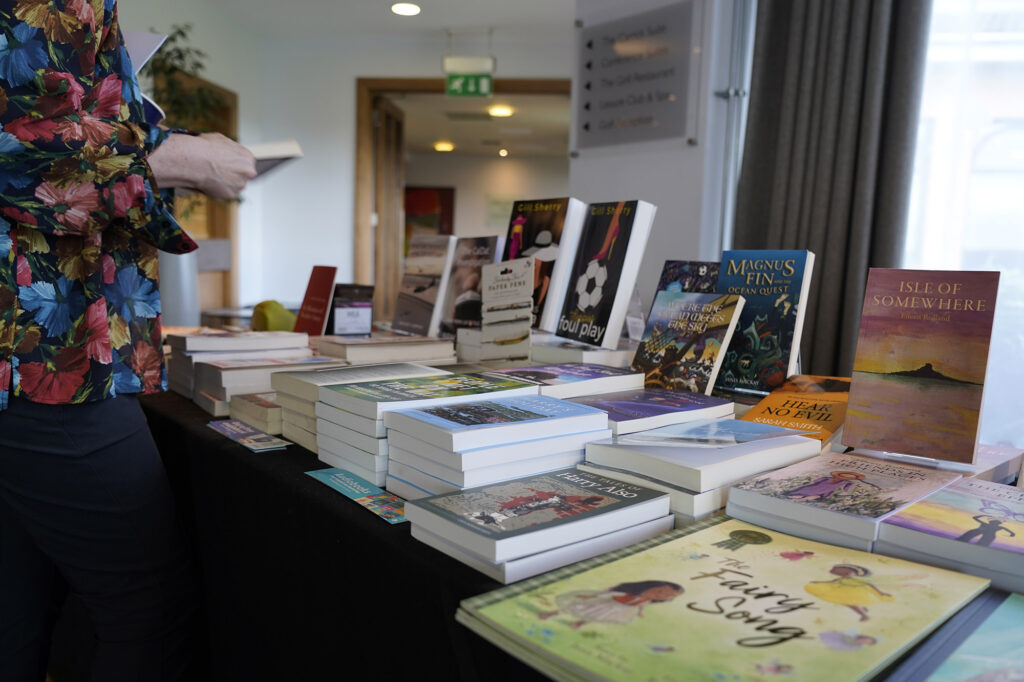

Standard registration is £80 per person, with an early bird rate of £70. Accommodation and hotel charges are separate.
£45 per person, per day, covering meals and conference refreshments. Day delegates can arrange Saturday Gala Dinner separately with the hotel for £43.
Single occupancy is £154 per day; double occupancy is £250 per day for two attendees. The package includes accommodation, meals and conference refreshments. A £50 per-person deposit is paid to SAW at booking.
Conference dates: 19–21 March 2027. See the registration guide for full fees, accommodation arrangements and payment terms.